
Rapid Online Food Ordering (ROFO) - B2B/B2C Food Delivery Platform
Consumer Food-Tech Platform, Dual-Sided Marketplace for Local Restaurants and Customers
Role
Co-Founder & Product Lead
Timeline
2012-2014 (2 years)
Team
Business partner, development team, restaurant partners
Collaboration
Restaurant owners, customers, operations team
Project Phases
MVP Phase (2012)
Idea validation with single restaurant partner
Growth Phase (2013)
Scaling to 5 locations across Central Coast
Rebrand Phase (2014)
Rebranding from Rapid Wraps to ROFO with rewards program
Constraints
- Built on Magento platform requiring customization of existing extensions for better UX
- Limited delivery radius (1km) requiring careful location targeting and geo-fencing
- Dual-sided platform complexity balancing restaurant operations with customer experience
- Bootstrap funding requiring lean approach to feature development
- E-bike delivery constraints requiring precise time-slot management
Problem
Local business parks on the Central Coast lacked quick, convenient lunch options. Existing cafes and restaurants struggled with lunch rush capacity, while workers wanted faster food ordering without leaving their desks. The challenge was creating a platform that served both restaurants seeking additional revenue channels and busy professionals wanting convenient meal delivery, while maintaining quality and operational efficiency within a 1km delivery radius.
Market Research Insights
- Australians spent over $37 billion on takeaway food annually, with fast food spending increasing 23% over 4 years
- Average Australian spent $70/week eating out vs $139/week on groceries
- Business parks proved ideal locations due to concentrated customer base and predictable lunch demand
- Customers valued convenience and speed over variety, ordering same items regularly
- Analytics showed users skipping drinks selection, indicating opportunity for bundled offerings
Process
- Conducted market research analyzing Australian consumer spending patterns on takeaway food and fast food growth trends (Understand)
- Identified business parks as ideal target locations due to high concentration of workers and limited lunch options (Understand)
- Researched local Central Coast area to map potential restaurant partners and customer clusters (Understand)
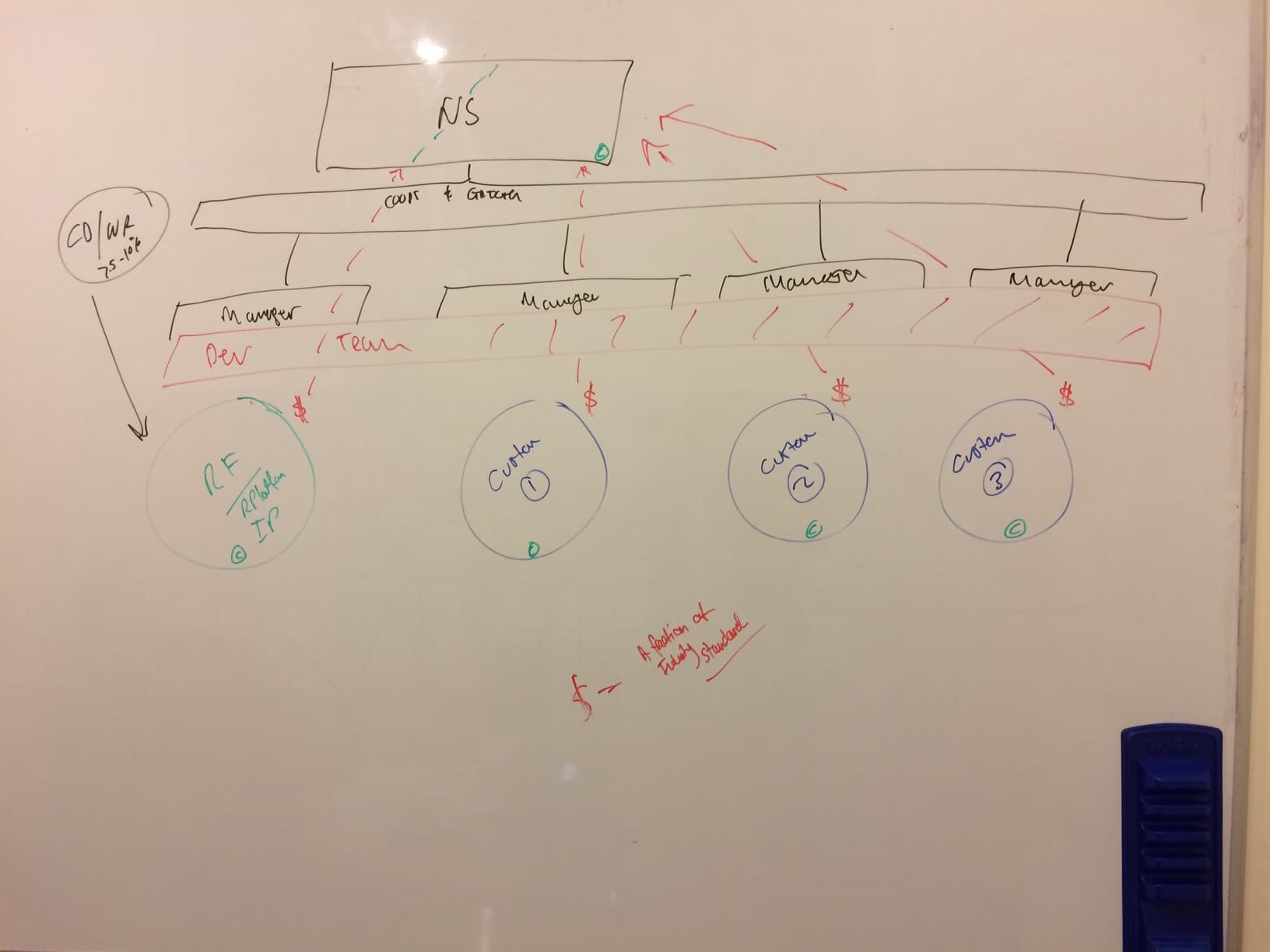
- Developed business model balancing restaurant operations costs (25% food, 20% wages) with platform sustainability (10% platform fee) (Define)
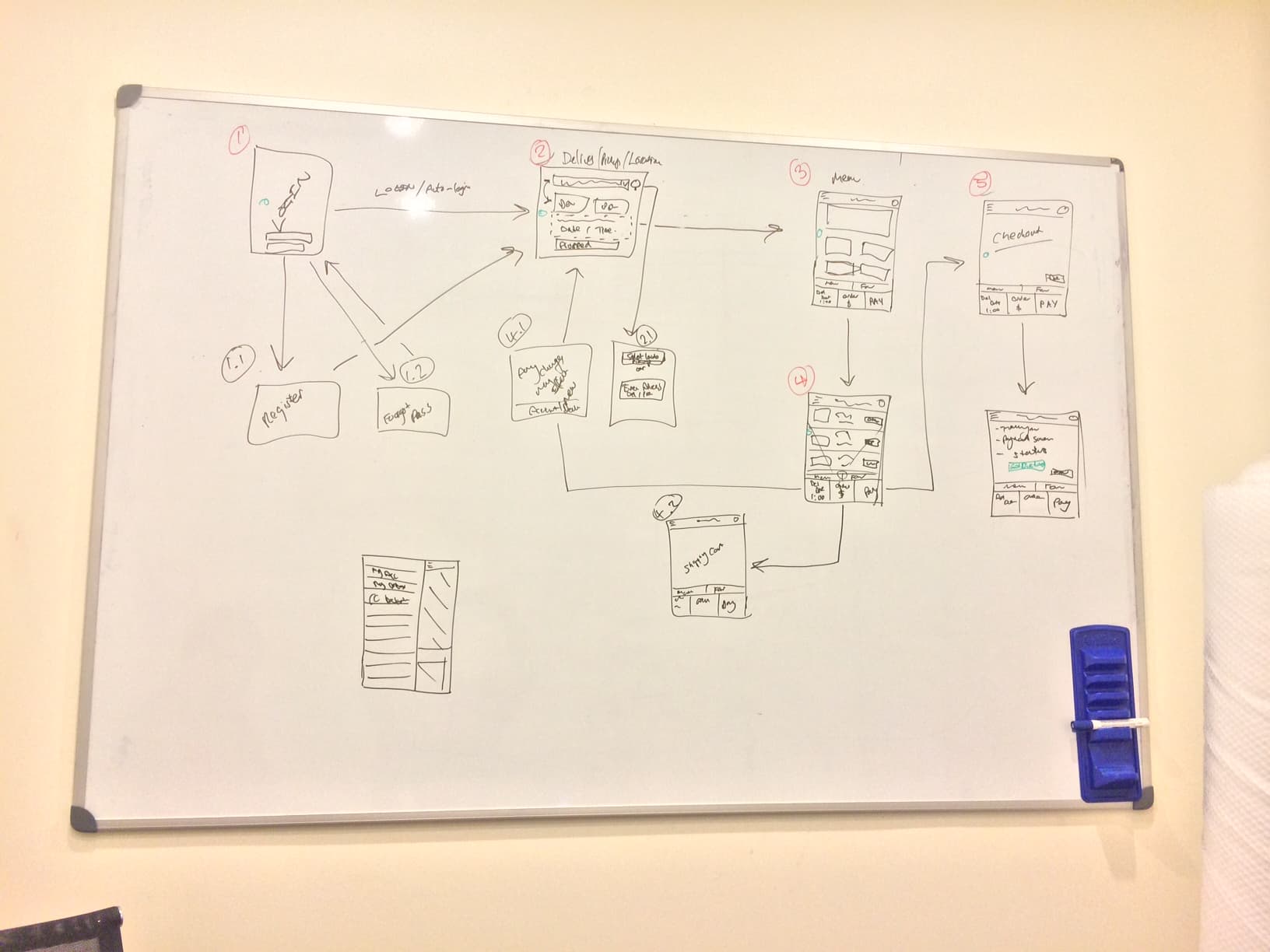
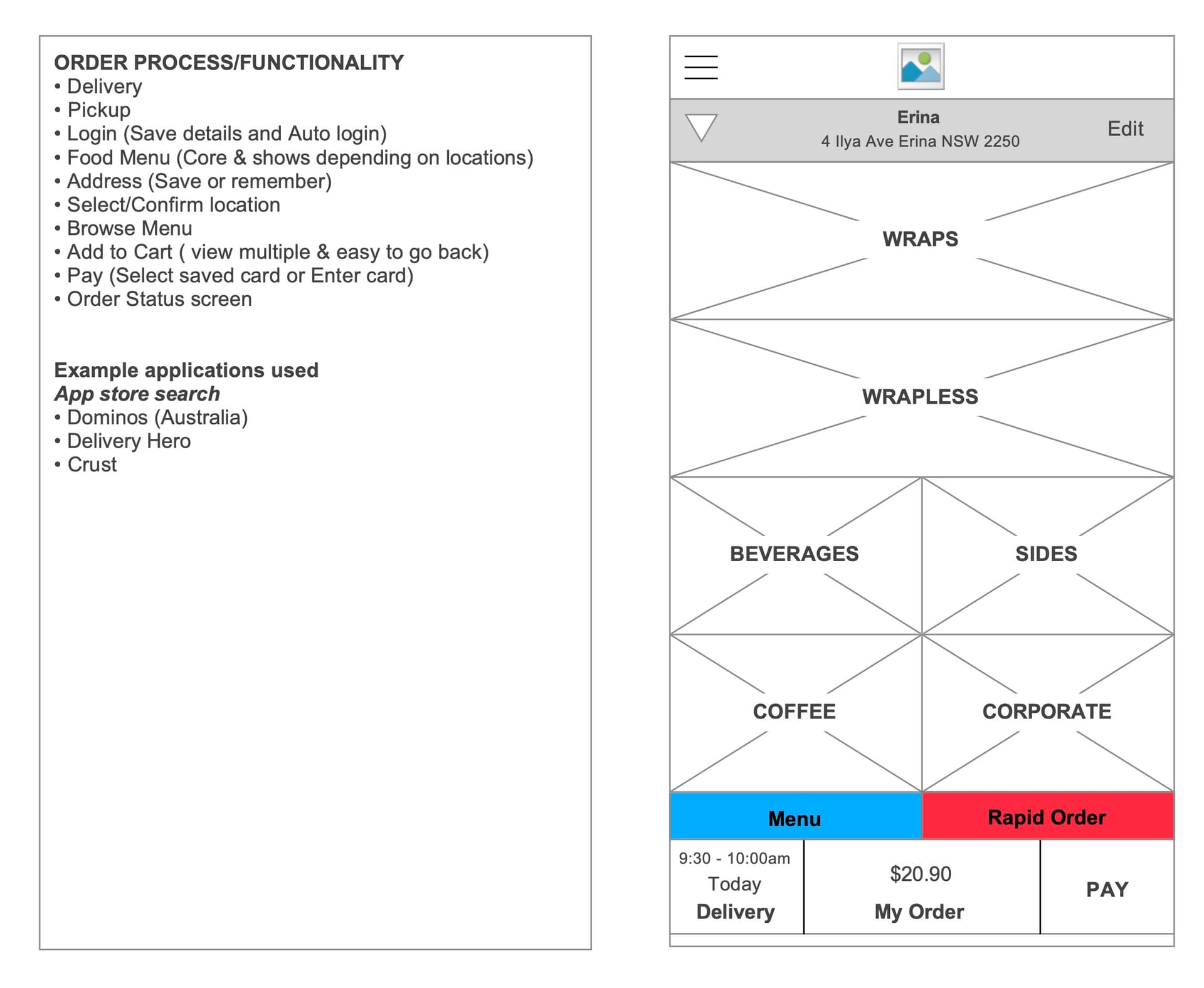
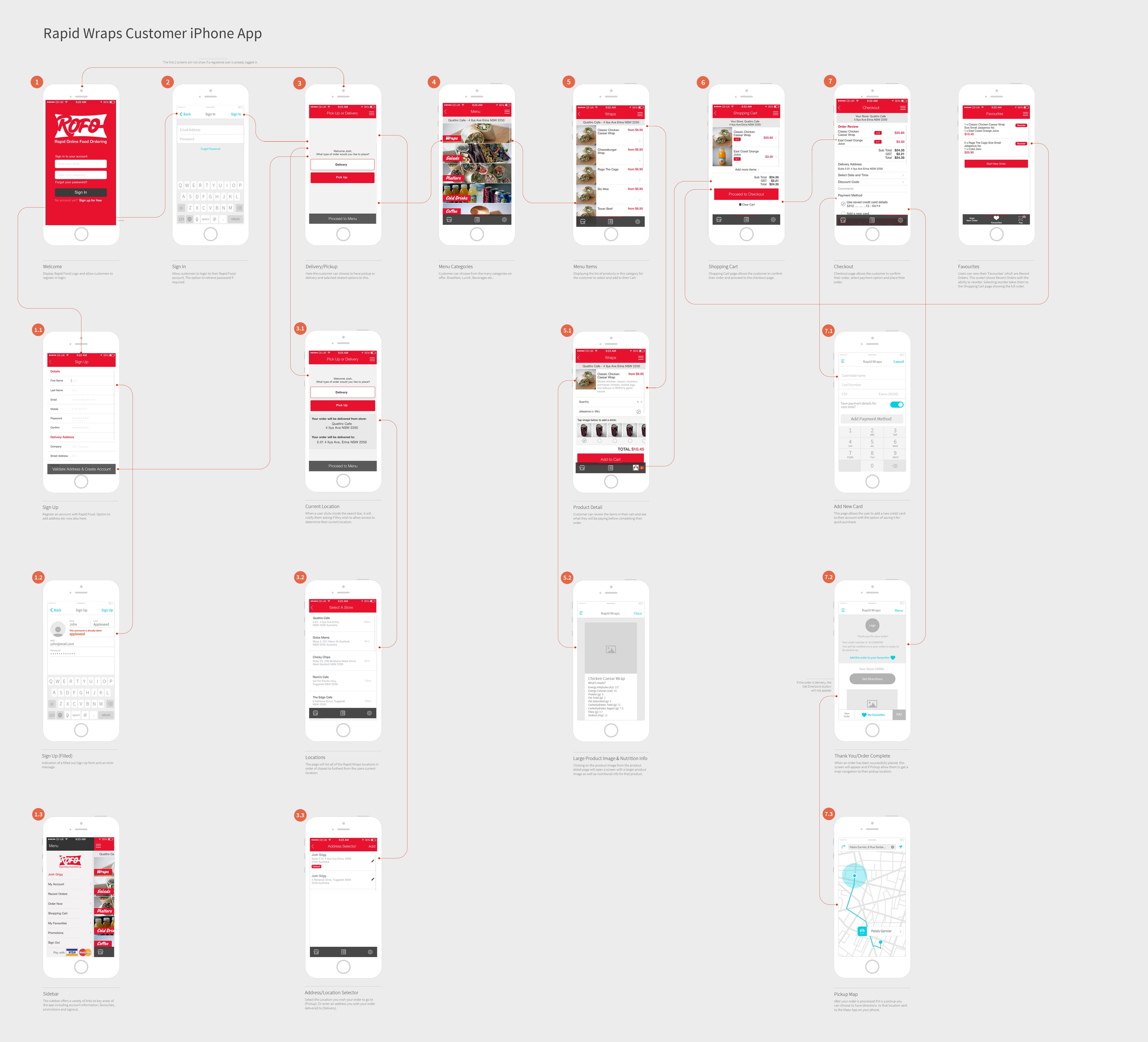
- Created initial user flows and wireframes for customer ordering experience and restaurant order management dashboard (Design)
- Built MVP with single restaurant partner (Quattro Cafe Erina) to validate concept with real customers (Design)
- Launched simple website allowing customers to create orders, pay online, and select delivery time slots (Design)
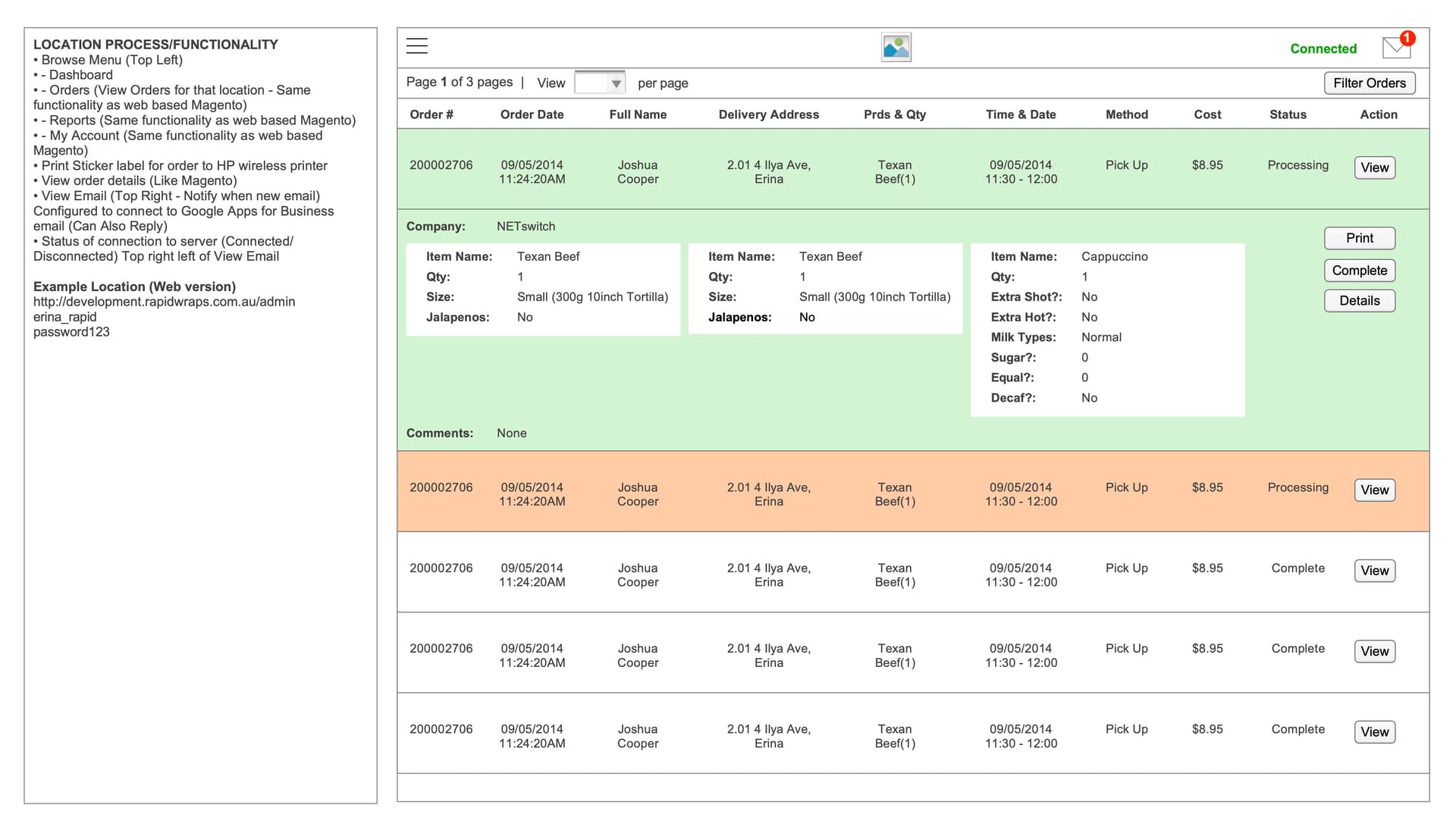
- Implemented custom order dashboard for restaurants to receive, manage, and fulfill orders (Design)
- Gathered customer feedback from initial business park users to identify pain points and opportunities (Validate)
- Analyzed product analytics to understand user behavior, identifying drinks selection drop-off (Validate)
- Iterated on product based on feedback, adding reorder feature for frequent customers (Decide)
- Created meal combos including drinks to increase average order value based on analytics insights (Decide)
- Scaled platform to 5 locations across Central Coast after validating model (Decide)
- Designed and implemented points-based rewards system to increase retention and order frequency (Design)
- Rebranded from Rapid Wraps to ROFO with updated visual identity and marketing materials (Design)
- Provided hands-on support for new restaurant locations during launch to ensure smooth operations (Validate)
- Continuously refined geo-fencing boundaries and time-slot capacity based on delivery performance (Reflect)
Platform Features
Customer Experience
- Multi-device ordering (website on desktop, tablet, mobile)
- Geo-fencing for delivery eligibility based on location
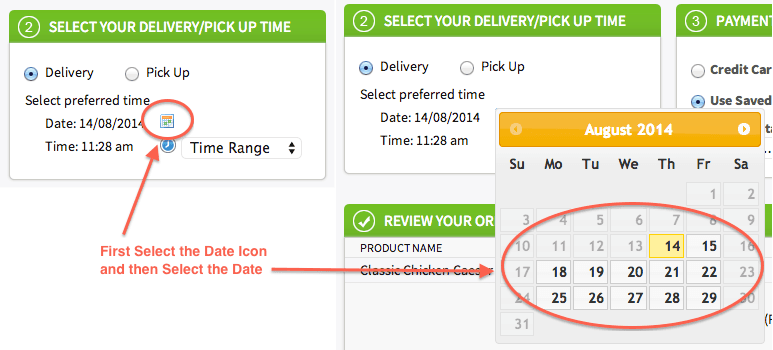
- Pick up and delivery options with time slot selection
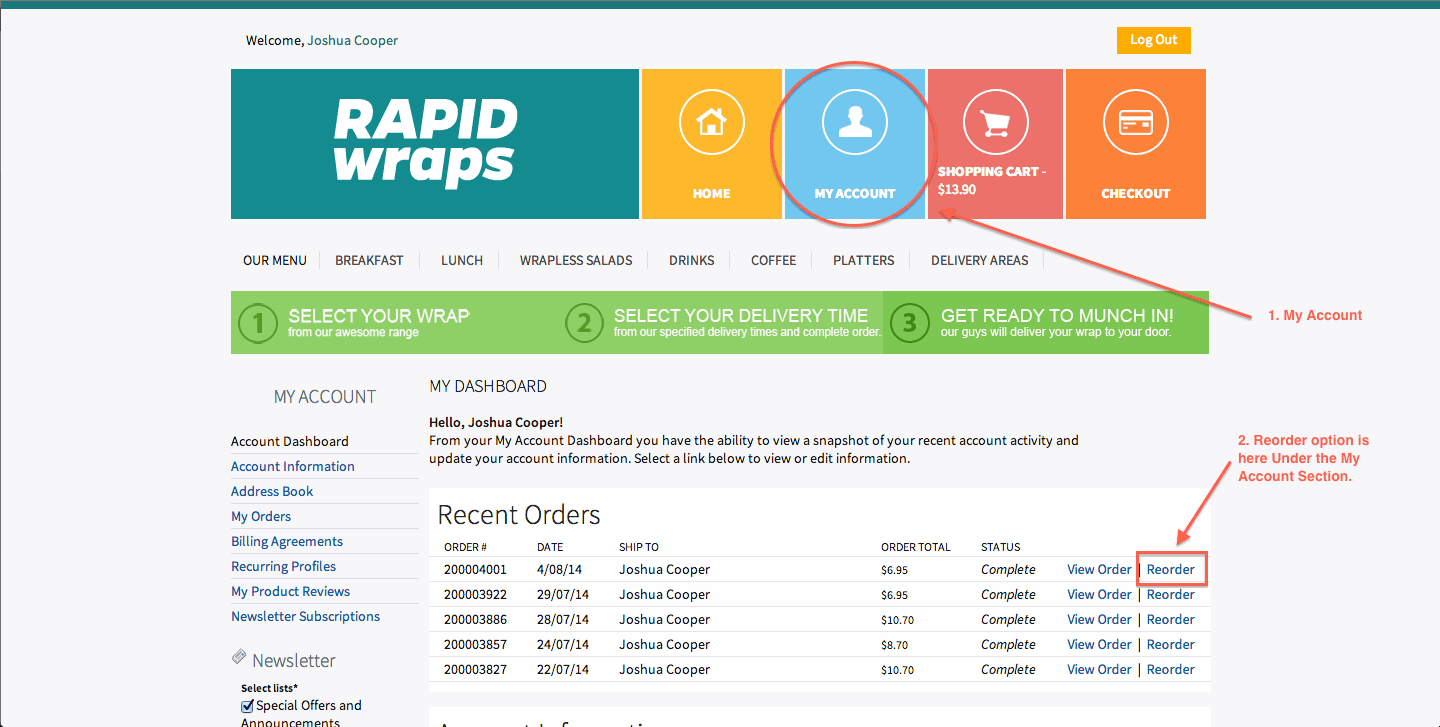
- Reorder functionality for repeat customers
- Points and rewards system to drive retention
- Saved credit card option via third-party provider
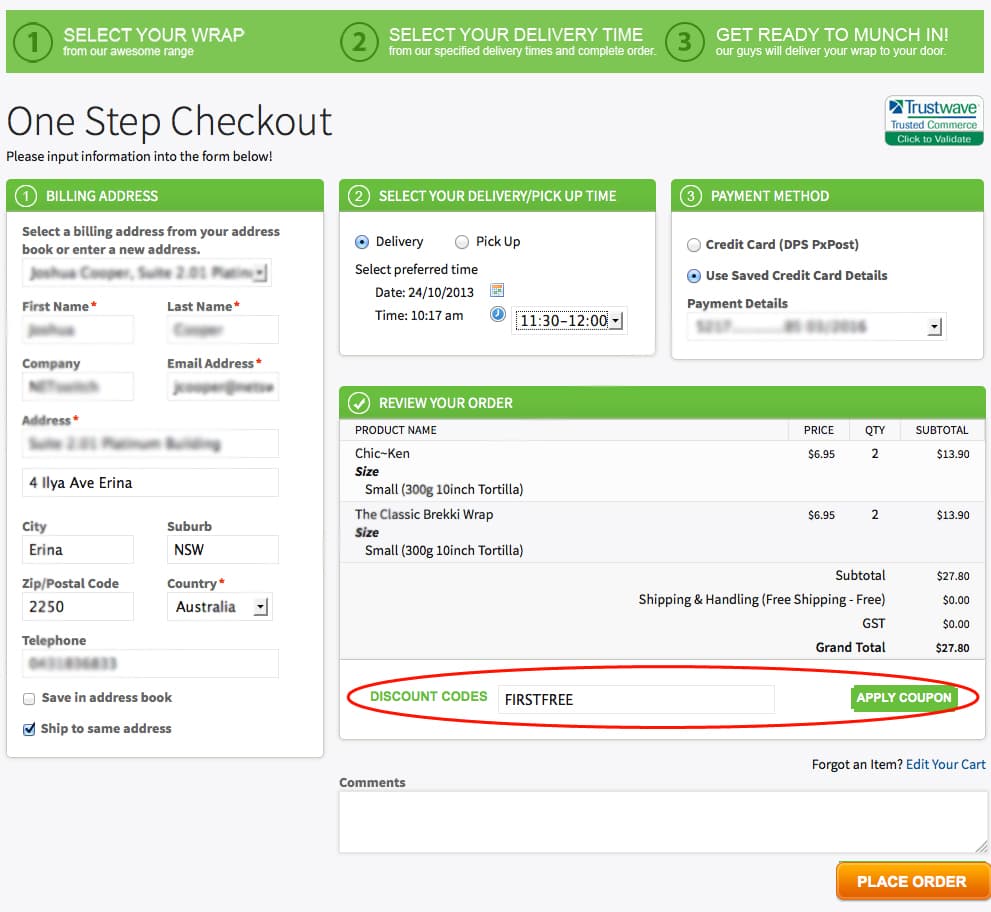
- Shopping cart with coupon promotions
Restaurant Operations
- Custom order dashboard (iPad-based kitchen display)
- Auto-refresh order screen for real-time updates
- Customized order filtering for kitchen workflow
- Order quantity management per time slot
- Customized order label stickers for packaging
- Location operating times management
- Multi-store management capabilities
Platform Management
- Admin CRM for platform oversight
- Reporting (sales maps, best sellers, user activity)
- Market segmentation for targeted marketing
- Advanced email newsletters with subscriber segmentation
- Auto-complete address field for registration
Dual-Sided Platform Design
The platform required balancing two distinct user groups with different needs. For customers (B2C), the focus was on speed, convenience, and reliability with features like one-click reordering and predictable time slots. For restaurant partners (B2B), the emphasis was on operational efficiency with controlled order volumes (20 positions per 30-minute slot), clear kitchen displays, and manageable delivery logistics. The geo-fencing technology ensured restaurants only received orders within their 1km e-bike delivery radius, protecting service quality while enabling growth through replication rather than expansion.
Key Decision: Cell Replication Growth Model
The critical decision was choosing a "cell replication" growth model over traditional expansion. Rather than allowing locations to grow larger and handle more orders, we capped each location at 160 orders per day (when critical time slots were full). Once a location reached 80% capacity during peak times (7:30-9:30am and 11:30am-1:30pm), we offered the restaurant partner the opportunity to replicate by adding a new location. This kept production and delivery manageable, maintained food quality and delivery reliability, and prevented operational breakdown. The trade-off was slower geographic expansion, but it ensured consistent customer experience and sustainable restaurant operations.
Data-Driven Product Iterations
Customers ordering same items repeatedly
Added one-click reorder feature to account page
Reduced ordering friction for repeat customers, improved user satisfaction
Analytics showed users skipping drinks selection step
Created meal combo packages including drinks
Increased average order value, improved customer experience with bundled options
Regular customer base growing but needed retention mechanism
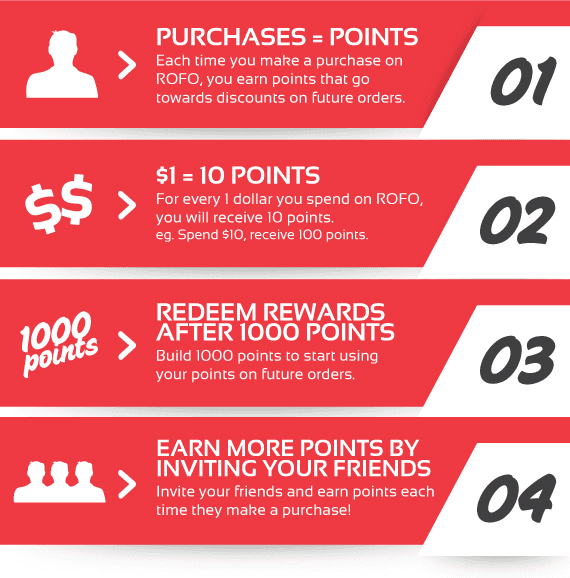
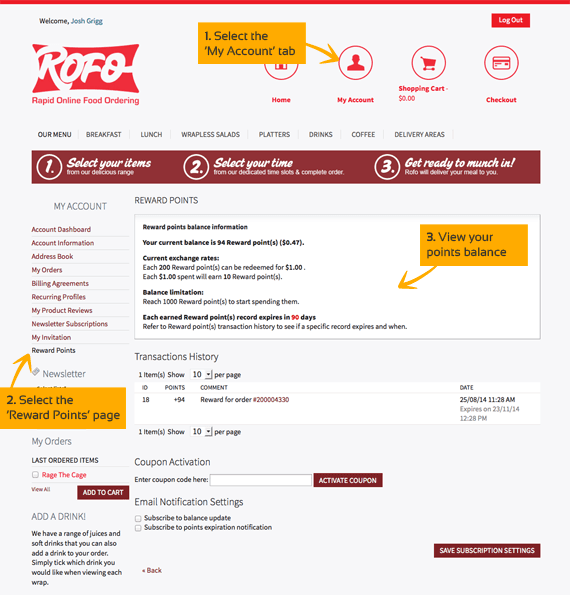
Implemented points-based rewards system where customers earn points per order for free meals
Increased weekly order frequency and customer loyalty
Product offering expanded beyond wraps, but "Rapid Wraps" name limited brand perception
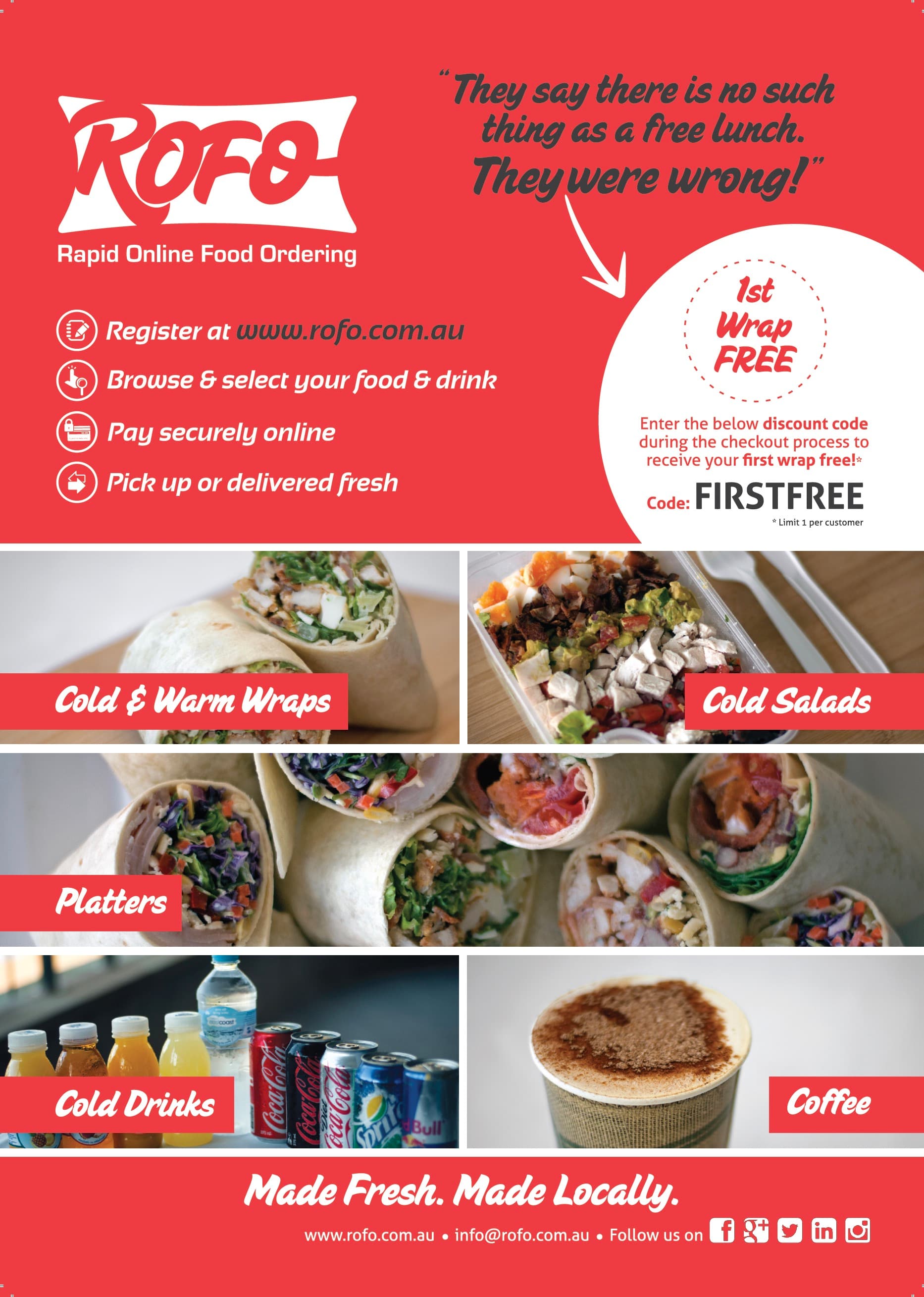
Rebranded to "ROFO" (Rapid Online Food Ordering) with updated visual identity, marketing materials, and rewards branding to reflect broader menu offerings
Improved brand perception, aligned brand with expanded product range, and strengthened market positioning for growth
Stakeholder Management
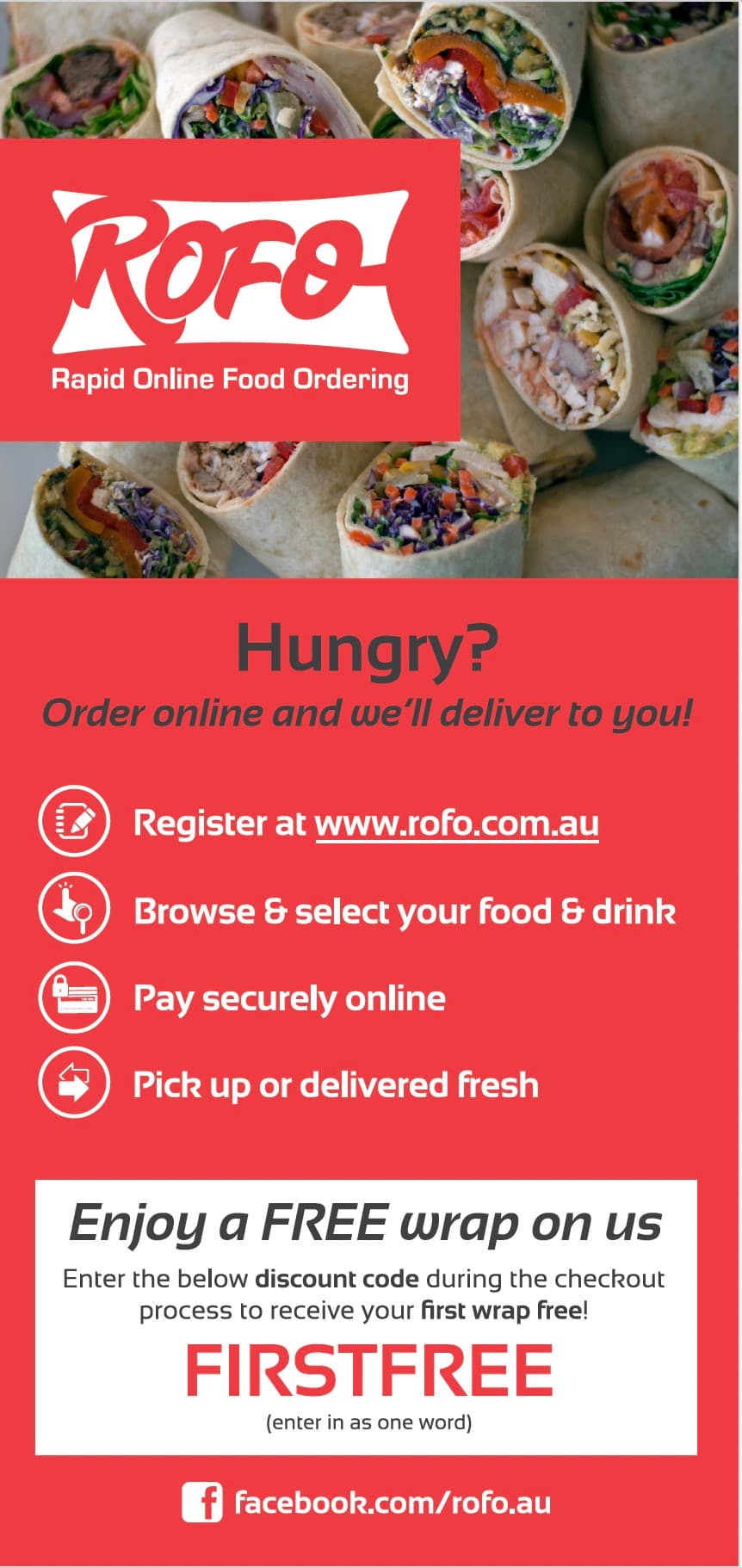
Restaurant partners were critical stakeholders requiring careful onboarding and ongoing support. We dedicated time to train each new location on the ordering system, kitchen dashboard, and delivery workflow. The "firstfree" marketing approach (coded flyers offering free first order) helped build initial customer databases for new locations while giving restaurants gradual volume increases. By controlling order flow through time slots and geo-fencing, we protected restaurant partners from being overwhelmed, building trust and sustainable relationships.
Outcomes
Scale & Growth
Platform growth
Scaled from 1 to 5 restaurant locations across Central CoastValidated replication model and demonstrated product-market fit
Daily order volume
20-40 orders per day per locationSustainable revenue for restaurant partners while maintaining quality
Customer database growth
Built substantial registered user base across 5 business park locationsCreated foundation for targeted marketing and retention strategies
User Behavior & Engagement
Reorder feature adoption
High usage among repeat customersDemonstrated value of convenience features for time-constrained users
Meal combo impact
Increased average order valueData-driven design decisions directly improved business metrics
Points system engagement
Increased weekly order frequency after rewards launchGamification effectively drove retention and repeat purchases
Operational Success
Restaurant partner satisfaction
Partners willing to open additional locationsPlatform delivered value to B2B side of marketplace
Customer feedback
Positive responses from business park usersProduct solved real pain point for target customer segment
Reflection
This project taught me the importance of starting small and validating assumptions before scaling. The MVP approach with a single restaurant partner allowed us to test the full end-to-end experience and identify real user needs through direct feedback and analytics. The key learning was that data-driven iteration (like discovering the drinks selection drop-off) led to more impactful features than assumptions-based development. If I were to approach this again, I would have invested in more robust analytics from day one to make data-informed decisions faster. The dual-sided platform design taught me how to balance competing needs, prioritize features that serve both user groups, and build sustainable growth models through operational constraints rather than uncapped expansion.
Tools & Technologies
Note: This case study showcases my entrepreneurial product development approach, from initial market research through MVP validation to scaling a dual-sided platform. The emphasis is on demonstrating how I identified market opportunities, validated assumptions through real customer feedback, made data-driven product decisions, and balanced the needs of multiple stakeholder groups in a complex marketplace.